Historical Consulting & Jurisdictional Context
Strategic Archival Analysis and Litigation Support for the Cross-border Great Lakes Region
Points North Strategy offers expert archival analysis, litigation support, and grant strategy for law firms, First Nations, Tribal Nations, and institutional partners across Ontario and the Upper Midwest.
Because understanding the North requires more than just access to primary sources; it requires a structural understanding of the land and the layers of history woven into it.

I am Dr. Emily Macgillivray, and my work is built on a foundation of academic rigor and a lifelong, lived commitment to the Lake Superior watershed. I bridge the gap between complex archival records and high-stakes decision-making.
The Points North Advantage:
PhD, University of Michigan: Bringing advanced analytical training and scholarly precision to Great Lakes and Indigenous historical research.
Deep Institutional Experience: Seven years as a Professor of Native American Studies and Museum Curator, specializing in the intricate history of treaty relations and land-use governance. Currently working as a land use administrator in municipal government.
Cross-Border Expertise: Navigating the distinct legal, archival, and administrative frameworks of both Northern Ontario and the Upper Midwest.
Strategic Synthesis: Distilling dense archival data into clear, persuasive, and actionable insights for litigation, policy development, and community sovereignty.
Strategic Services
Historical Analysis & Litigation Support
For Legal Counsel and Institutional Partners
Successful litigation in treaty and land-use cases requires more than a collection of primary sources; it requires the ability to place those fragments within the complex systems of Indigenous governance and historical political frameworks. I bridge the gap between archival data and the structural realities of sovereign nations.
Archival Discovery & Design: Strategic identification of critical primary records across provincial, state, and national repositories to establish the evidentiary foundation of a case.
Synthesis of Governing Systems: Contextualizing primary evidence within Indigenous political structures and systems of leadership. I draw on deep secondary research to explain the jurisdictional intent behind historical actions.
Strategic Reporting: Translating dense archival data and complex historical contexts into authoritative, clear-eyed reports that define the stakes of regional land occupancy, resource rights, and Treaty boundaries.
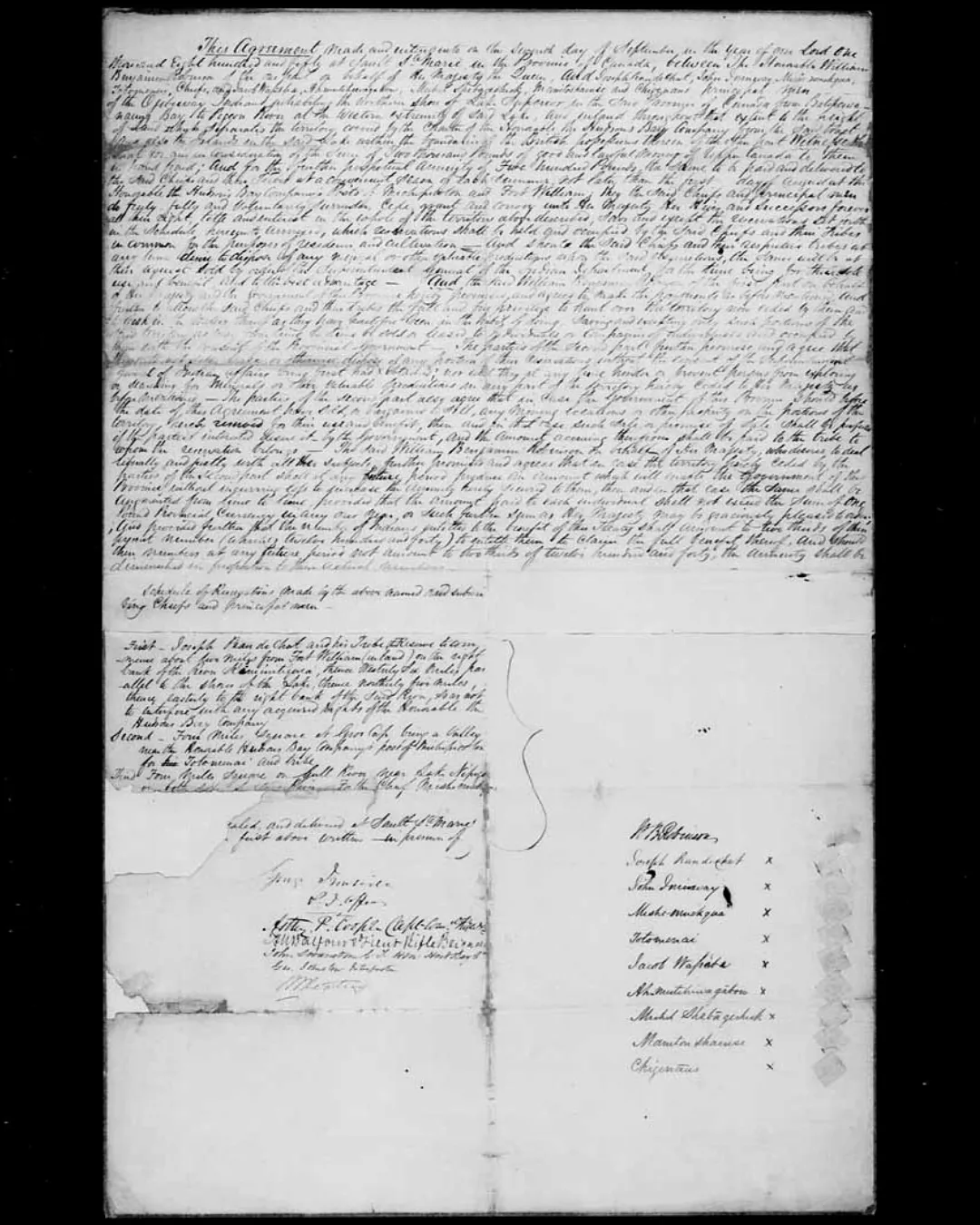
Photo Caption: Original manuscript of the Robinson-Superior Treaty (1850). Source: Library and Archives Canada.
Funding Strategy & Programmatic Evidence
For First & Tribal Nations, Non-Profits, and Cultural Institutions
I provide the historical context and strategic frameworks necessary to secure high-impact funding for land stewardship and cultural preservation. I don’t just fill out applications; I help you build an authoritative narrative of long-term significance and community sovereignty.
Evidentiary Foundations: Providing PhD-level documentation of historical occupancy, cultural significance, and land-use context to fulfill the "Statement of Need."
Narrative Strategy: Translating complex community goals into compelling, research-backed arguments for long-term impact and sustainability.
Strategic Alignment: Auditing funding pipelines to ensure that projects for cultural and land stewardship are positioned to meet the specific priorities of state, federal, and private donors.
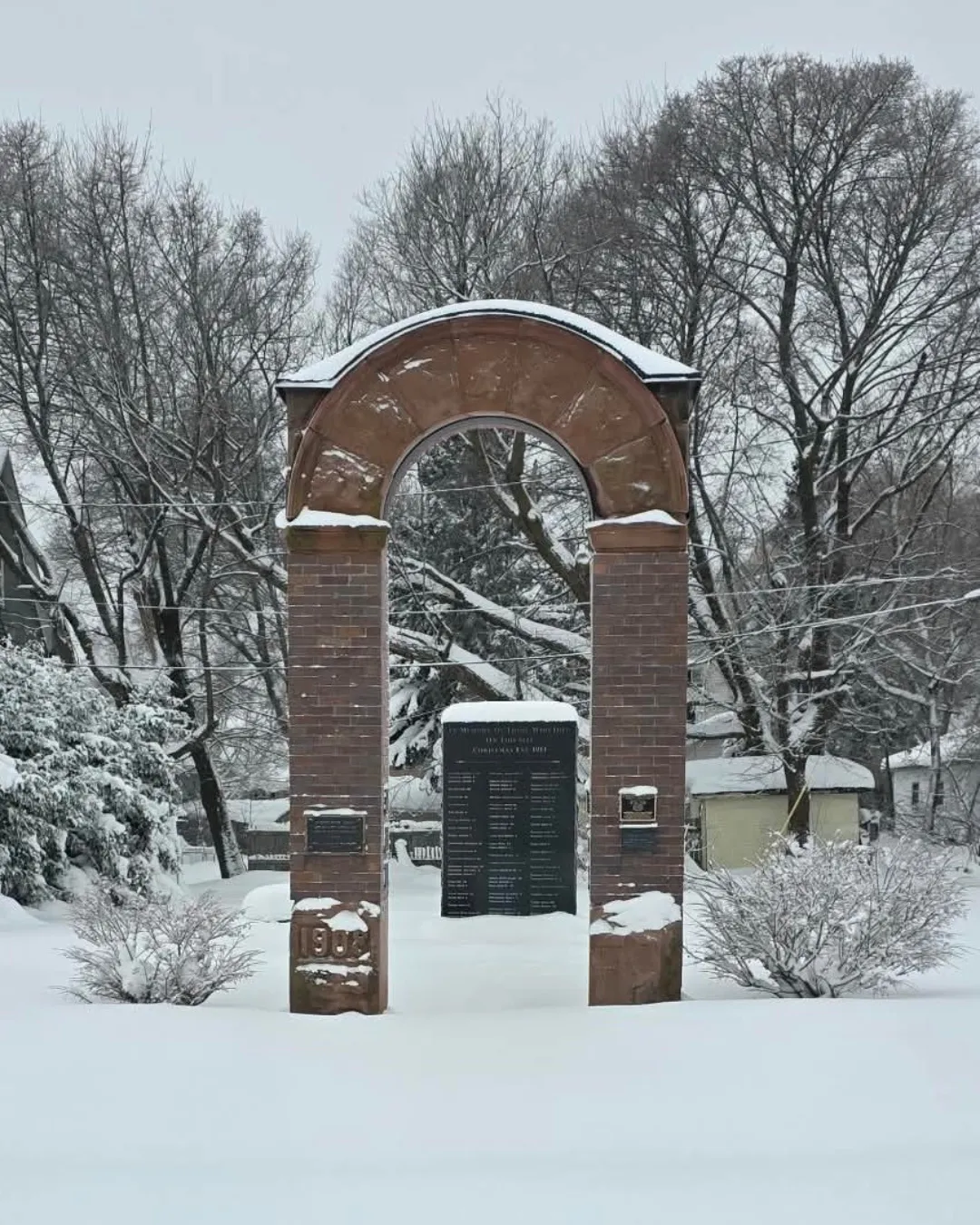
Photo Caption: The archway of the Italian Hall in Calumet, Michigan. Site of the Italian Hall Tragedy during the copper miner's strike in 1913 and on territory ceded by the Treaty of La Pointe in 1842.
Historical Due Diligence & Project Review
For Public Agencies, Private Firms, and Regional Organizations
I provide the historical grounding and jurisdictional context necessary for organizations to engage accurately and ethically with Northern landscapes. I help institutions move beyond surface-level acknowledgment toward a precise understanding of the history and treaty obligations that govern the region.
Strategic Historical Literacy: Educating leadership and project teams on the localized history of state-Indigenous relations to ensure informed, respectful decision-making.
Jurisdictional Risk Assessment: Identifying potential historical or treaty-right oversights early in the planning process to ensure project alignment with regional legal realities.
Record Synthesis & Translation: Making complex archival documents, administrative codes, and historical narratives accessible and actionable for modern project leads and policy-makers.
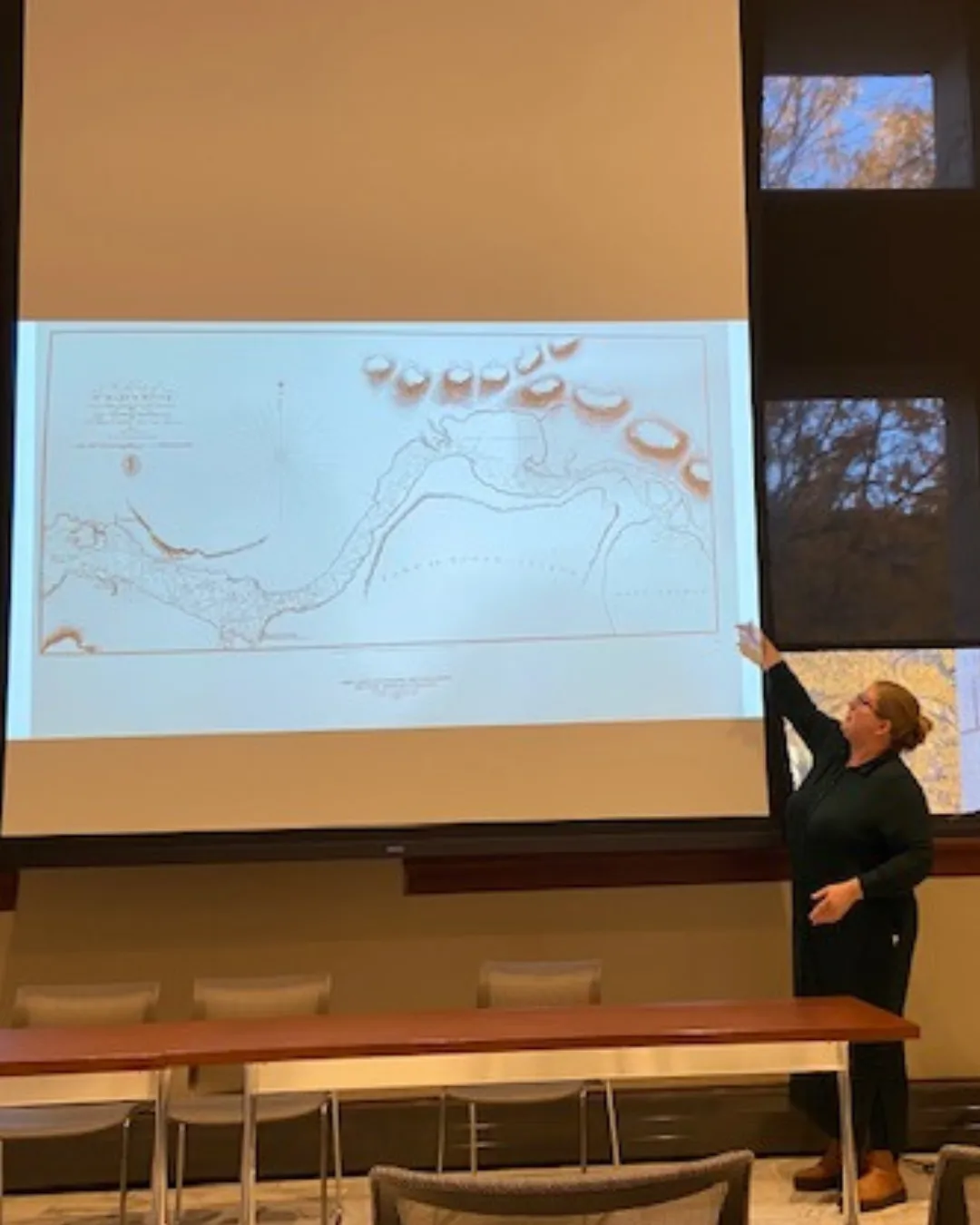
Photo Caption: Dr. Emily Macgillivray presenting her research at the Newberry Library (Chicago, IL) in 2023.
Start a Strategic Inquiry
Points North Strategy
Emily Macgillivray, PhD
© 2026 Emily Macgillivray. All rights reserved.