Dr. Emily Macgillivray
Navigating Complex Terrain From Higher Ed to Land Use to the Great Lakes
The Navigator’s Story:
From the Archive to the Public Record to the Field
Most people see a 300-page state administrative code or a fragmented historical record and see a wall of jargon or an unsolvable mystery. I see a landscape.
My name is Emily Macgillivray. I am a Great Lakes historian with a PhD from the University of Michigan. I spent seven years as an Assistant Professor at a small, under-resourced liberal arts college in the Northwoods. I earned tenure—and then the college entered exigency. My position was cut, and eventually, the school closed its doors entirely.
That transition required me to apply my Points North methodology—a framework for identifying structural markers and navigating complex institutional systems—to my own life. I moved from the classroom to the public record, becoming a public historian and land use professional.
My professional titles might seem worlds apart, but they are built on the same foundation: the ability to find the markers that others miss and translate them into a clear, actionable path forward.
Whether I am conducting due diligence for a historical project or helping a colleague architect a sustainable career, my goal is the same: to provide the analytical clarity needed to navigate the terrain as it actually exists.

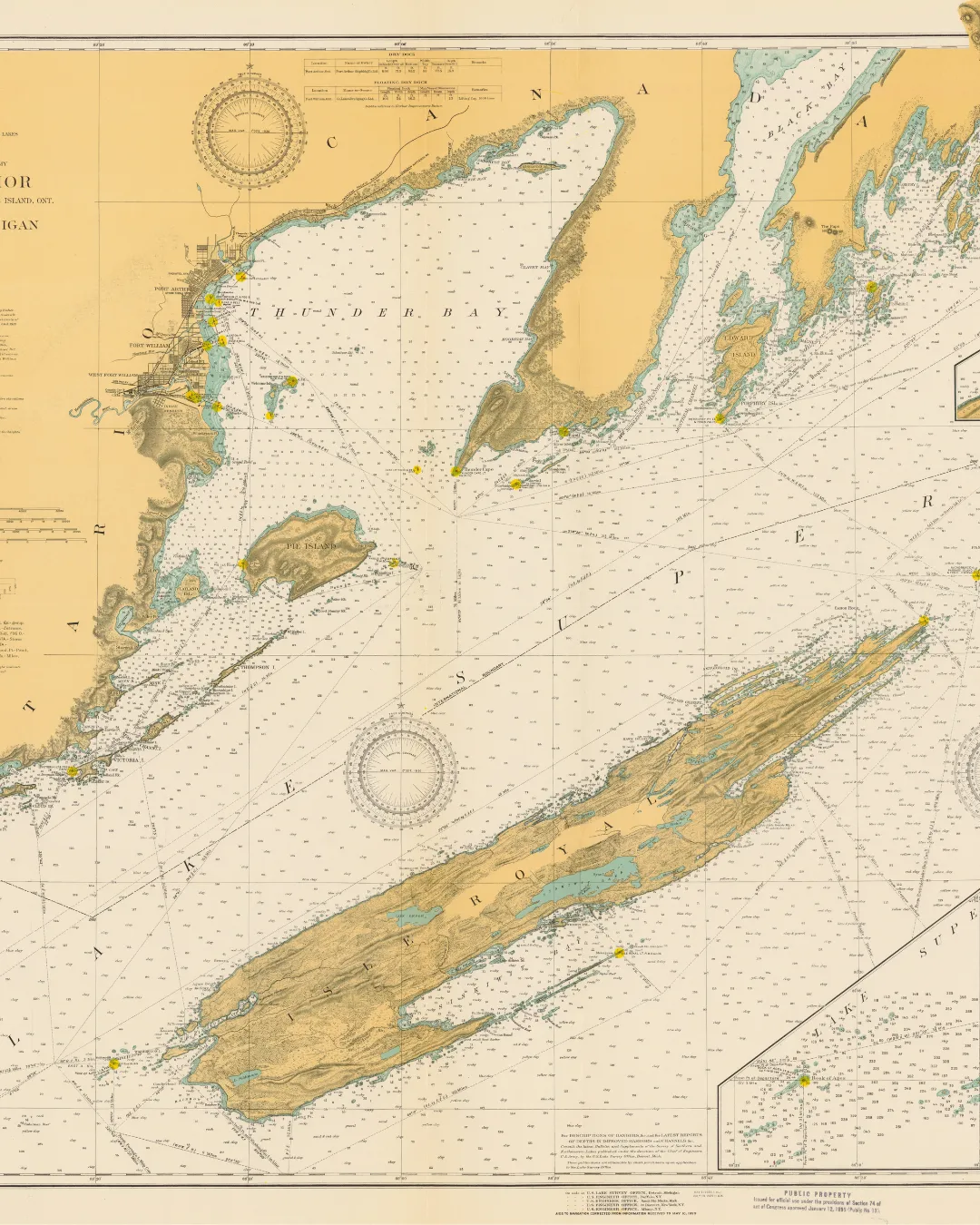
The Archive: Locating Evidence, Navigating Context
During my doctoral training at the University of Michigan, I learned how to identify patterns within fragmented documents, respecting the evidence even—and especially—when it was buried or contradictory.
I know from years of experience in the archives that a record without context is just paper; the true value lies in synthesized analysis. The real work is in understanding the implications of the history we find.
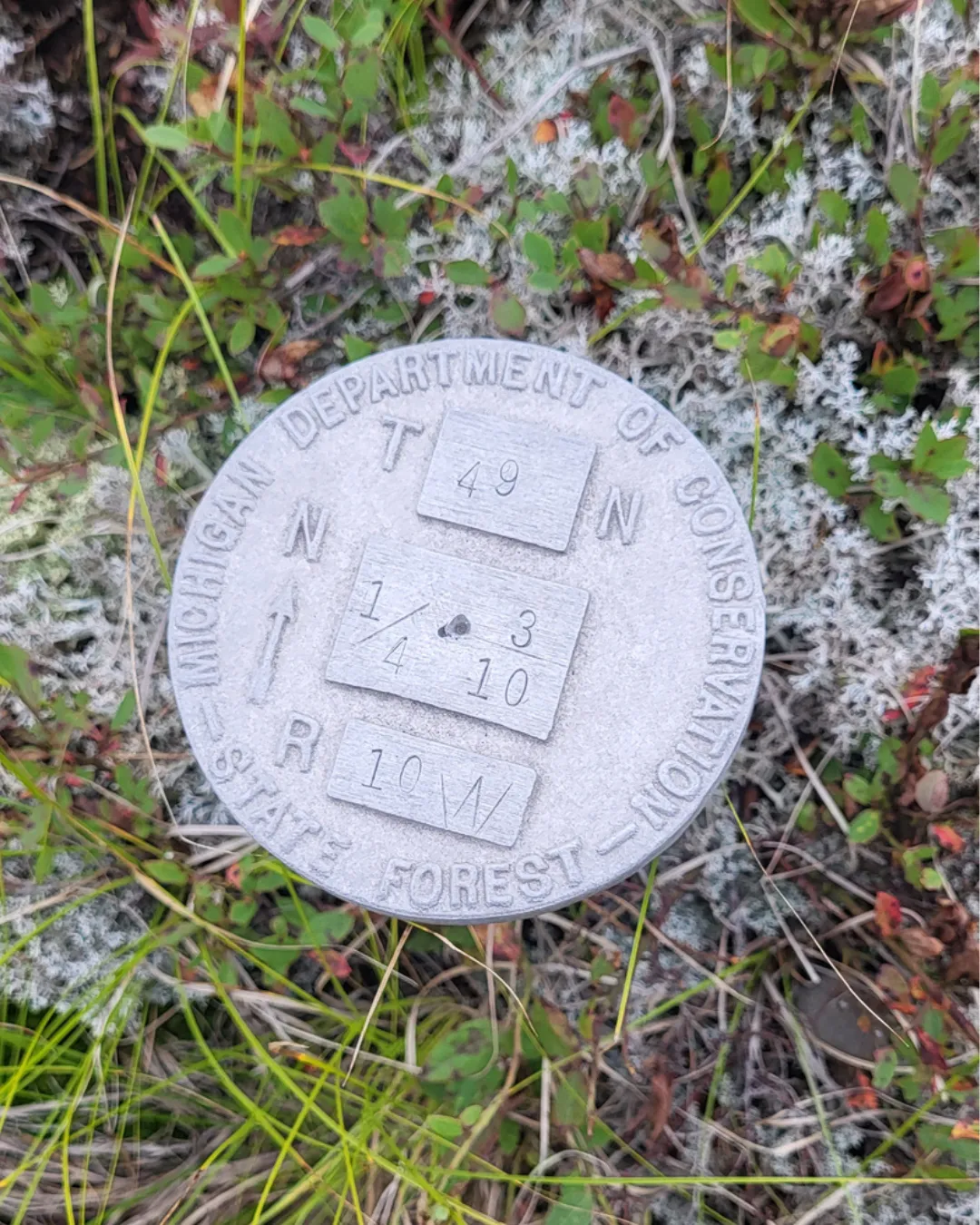
Today, I apply that same archival rigor to the forensic tracing of property history and the evolution of legal boundaries. Whether I am analyzing an 18th-century treaty or a 20th-century deed, my methodology remains fixed: Identify the record, reconstruct the historical context, and determine the practical implications.
The Code: Navigating Complex Systems in Practice
Whether it is a centuries-old legal document or the modern state administrative codes, I specialize in the language that governs our lives. Where others see opaque technical requirements, I see the interlocking mechanics of a system.
My work goes beyond the endurance required to read the fine print; it is about synthesis. I focus on how disparate regulatory systems function in practice—and more importantly, how they collide. I thrive in the space where systems create friction, identifying the contradictions between state codes or the gaps in the "hidden curriculum" of the academy.
I translate those contradictions into a logical, defensible strategy, resolving the technical "shades of gray" so my clients can navigate with certainty. I read the manuals that others overlook and translate the unspoken context to ensure your navigational strategy honors both the regulatory reality and your actual capacity.


The Strategy: Locating & Navigating Your Path
In the archive, the classroom, and the field, I’ve learned that while systems are riddled with contradictions, the path forward must be clear. I specialize in translating messy, fragmented data into actionable clarity.
Whether we are looking at an institutional career or a regulatory land-use issue, I provide the strategic anchor needed to navigate difficult transitions with certainty.
For Academics: In the archive, the classroom, and the field, I’ve learned that while systems are riddled with contradictions, the path forward must be clear. I specialize in translating messy, fragmented data into actionable clarity.
Whether we are looking at an institutional career or a regulatory land-use issue, I provide the strategic anchor needed to navigate difficult transitions with certainty.
For Law Firms & Organizations: I navigate the complexities of the historical and administrative record to resolve systemic friction. I consolidate fragmented data and conflicting codes into a defensible evidentiary foundation, providing the analytical certainty you need to make data-driven decisions.
Every complex landscape needs a navigation strategy.
Let’s look at your lanscape, records, & context to find your path forward.
Navigate Complex Landscapes & Find Your Points North
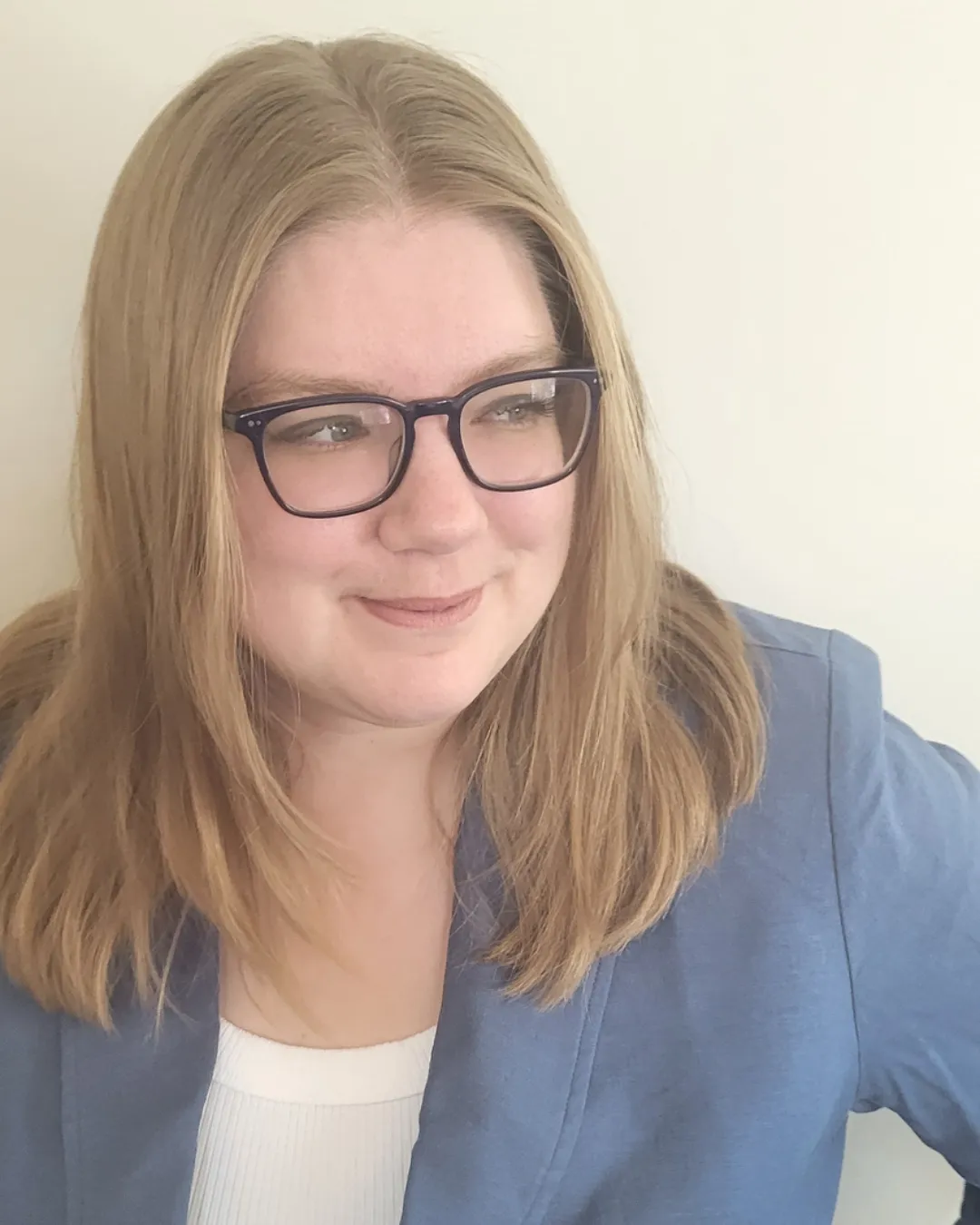
I am Dr. Emily J. Macgillivray, a Great Lakes historian, consultant, and career and academic coach. My goal is to help you find your Points North: the clarity and actionable insights needed to achive your goal.
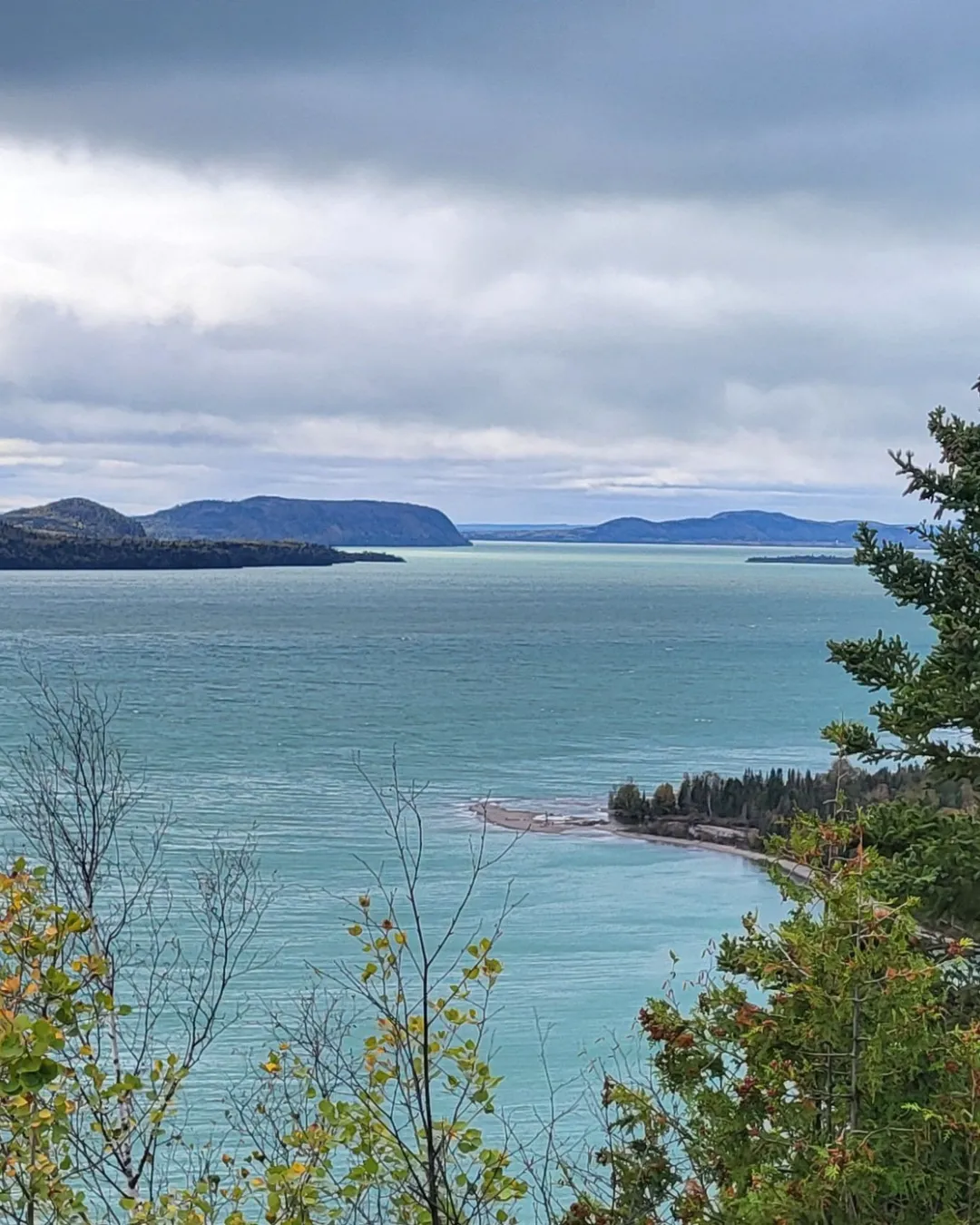
I currently live in the Chequamegon Bay on lands ceded by the Treaty of La Pointe in 1842. I was born and raised in Thunder Bay, on land ceded by the Superior Robinson Treaty in 1850, and I've spent my life on ceded territory throughout the Great Lakes. My work is built on the conviction that whether I am in the archives, the classroom, or the field, the goal is the same: to help you navigate the complex terrain of the Great Lakes region and the world and achieve successful outcomes in your case, your career, or the Great Lakes road trip of a lifetime.
Learn more about how we can work together!
Historical Consulting & Jurisdictional Context
For law firms & organizations
Academic Career & Writing
For early-and-mid-career academics
The Outdoors Historian
For Great Lakes travelers & history-lovers
Points North Strategy
Emily Macgillivray, PhD
© 2026 Emily Macgillivray. All rights reserved.